Do you have shoes in your closet? Plenty of them, right? You probably still wear the same pair over and over. You are not the only one: most people have many pairs of shoes in their closets yet prefer only a few. The number of shoes you purchase can affect your financial situation and convenience; however, this excessive purchasing of shoes can also have negative impacts on the environment.
Simply put, buying fewer shoes that are of higher quality is not just about fashion but making a step toward sustainable success. The choice to purchase sustainable shoes will change not only how you get around, but also how and where you shop and how you influence the planet. The purpose of this guide is to take readers on a journey into the world of “less is better,” without compromising on style and comfort.
Why Owning Fewer, Better Shoes is Greener
When you take a step back and look at the environmental impact of footwear, it quickly becomes apparent that reducing what we buy can make a measurable difference.
The Footprint of Footwear
Making every pair of shoes requires resources such as materials, water, energy, transportation, etc, and the combined impact is a lot bigger than most people realize. The production of shoes and their disposal pollute the environment, which contributes to global warming and produces waste and microplastics.
Think of the number of shoes that are in our closets, and you can quickly understand the impact. Hence, the choice to pick higher-quality shoes that last longer is not only an efficient way of breaking the cycle but also a way of supporting brands that are committed to producing cleaner products.
Longevity Beats Fast Fashion
In the same way, quality over quantity wins every time. When you buy fewer pairs of shoes, you naturally reduce the demand for rapid production cycles. Plus, better quality shoes offer more durability, are easy to maintain, and are less likely to be tossed after a season.
Similarly, repairing worn soles, reconditioning materials, and reselling good-condition pairs extend their lifespan even further. This is where sustainable shoes truly shine, because they’re designed with longevity in mind.
What “Fewer, Better” Actually Means for Shoppers
A smaller shoe collection doesn’t have to mean limited styling options, but you do have to put more intention behind your purchase. Fit, material quality, versatility, and repairability matter more than ever when you’re buying less.
Materials That Last
Not all materials are created equal. Look for options made from high-quality leathers, recycled blends, low-impact synthetics, or innovative plant-based alternatives.
- Recycled fibers reduce waste.
- Premium leather lasts longer with care.
However, there are some trade-offs; depending on the brand, recycled plastics may not last as long, but the goal is to choose what aligns with your values and lifestyle.
Design And Versatility
The perfect “better” shoe works harder for you.
- Neutral colors match more outfits.
- Convertible or multi-purpose designs reduce the need for backups.
- Foldable silhouettes are great for travel.
This is where sustainable shoes and minimalist footwear excel: they simplify your choices while giving you more wearable days per pair.
The Surprising Health + Lifestyle Wins of Minimalist Footwear
Recently, a lot of individuals have discovered that reducing the bulk under their feet brings surprising benefits. Minimalist footwear is designed to mimic natural movement that can translate into real improvements in strength and stability.
Evidence Highlight
Flexible soles can help with foot strength, balance, and stability by allowing for greater freedom of motion in the foot. This increased range of motion causes greater use of the muscles that support and maintain the arch and those that control gait. In the long run, this may even encourage better alignment of posture and more stable movement patterns.
Quick Practical Tips
Transitioning to minimalist footwear is simple when you ease into it:
- Start with short wear times and increase gradually.
- Pair them with basic foot-strengthening exercises.
- Test them in low-risk settings first, like walking around the house.
How to Pick One Pair That Does the Job
Choosing your shoes is critical if you’re decreasing your footwear collection. Find shoes combining comfort, quality, and timeless style.
Fit and Comfort
Think about arch feel, toe room, and width. Allow your feet room to move naturally.
Materials and Repair Capability
Examine sole construction, stitching quality, and part replaceability. Designs that are repairable enable sustainable shoes to last longer.
Value and Life Cycle
Consider cost-per-wear. Usually, a greater upfront cost pays off when the shoe lasts for years rather than months.
Real Brand Example + Where to Look
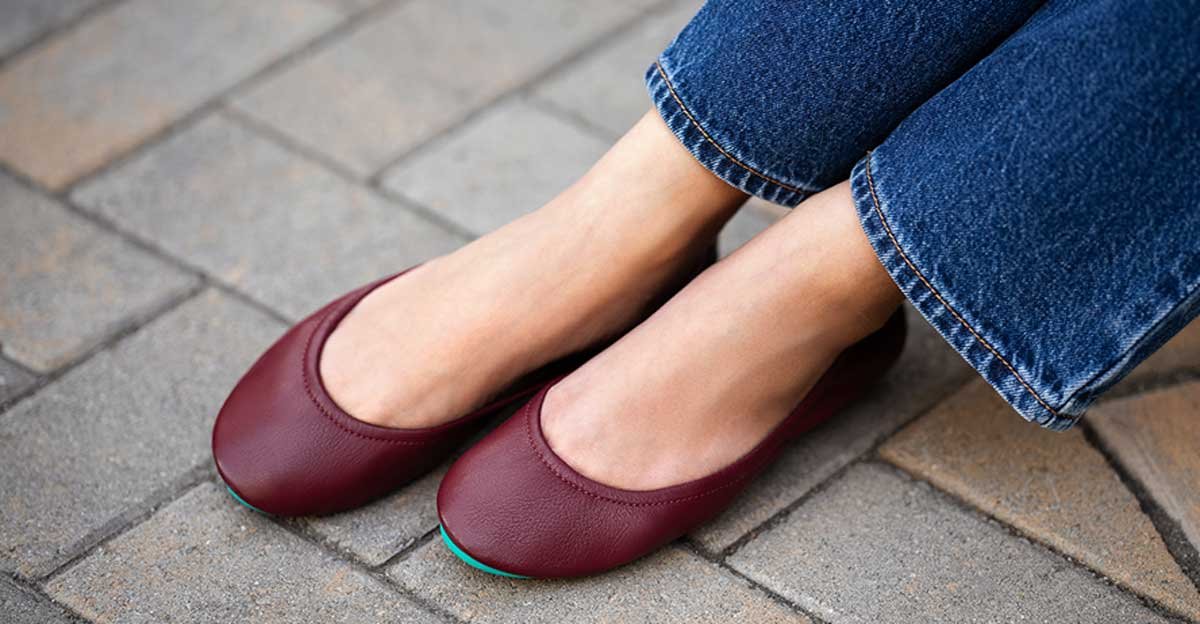
A company worth mentioning when talking about maintaining a quality-over-quantity approach to your footwear is Tieks by Gavrieli. Their signature Italian leather ballet flats offer exceptional durability, versatility, and comfort for extended durations. All characteristics that lend themselves well to having a minimalistic-inspired wardrobe, focused on quality. Additionally, if leather-free footwear is more your style, consider checking out the Tieks’ Vegan Collection.
If you’d like to read an unbiased, real-world breakdown of how these flats hold up after years of use, check out this Tieks review from a highly respected and well-known fashion site. It provides an extensive assessment of the comfort, price value, and durability of the flats.
Small Closet. Big Wins
The concept of having a small number of very good shoes instead of just lots of basic shoes is not a trend, but an upgrade that can empower you to be more comfortable, confident, and live consciously. By investing in quality shoes, you will reduce the amount of waste you create, simplify your style, and help support companies that genuinely improve society.